Hydro Jetting: A Complete Guide for Sewer Line Cleaning
Most people have never heard of hydro jetting until a plumber brings it up after a drain keeps blocking every few months. At that point, the question is simple: what exactly is it, and why does it cost more than a regular drain cleaning?
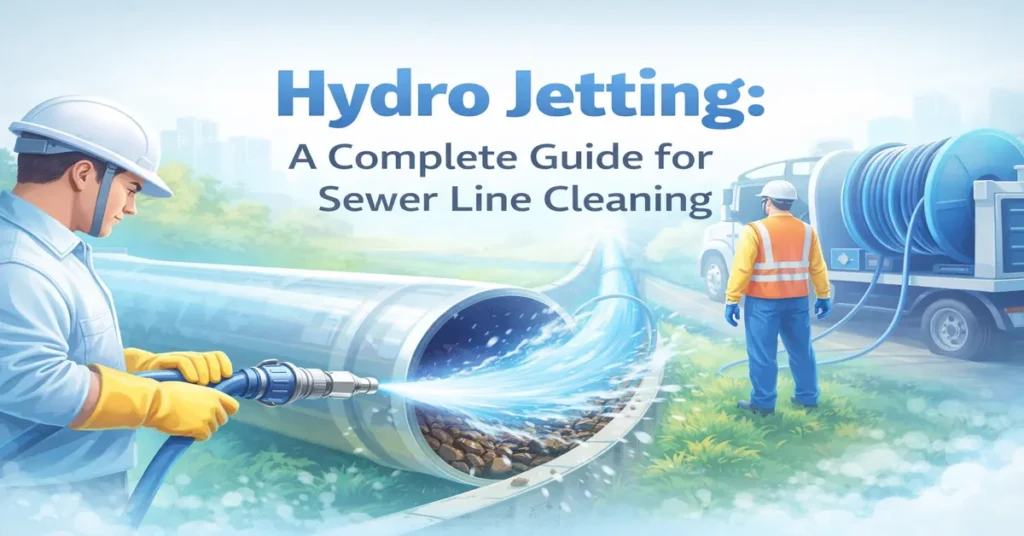
Hydro jet drain cleaning uses highly pressurized water to clean the sewer and drain pipe interiors. A specialized machine pushes water through a hose at pressures reaching up to 4,000 PSI. The water forcefully breaks blockages while cleaning pipe walls and completely empties the entire drainage system.
The difference between hydro jet plumbing and standard Drain Cleaning comes down to what actually happens inside the pipe. Regular methods clear a path through a clog. Hydro jet cleaning removes everything: grease, scale, roots, sludge, and bacteria, from the full interior surface of the pipe. The pipe does not just flow again. It gets restored close to the condition it was before.
How Hydro Jetting Works
The process starts before any water gets used. A plumber runs a camera down the sewer line first to see what is inside and confirm the pipe walls are strong enough to handle high-pressure water. Skipping this step is a red flag with any hydro jetting plumber worth hiring.
The plumber starts jetting after the inspection verifies that the pipe meets operational requirements via a cleanout access point, which functions as an entrance to the sewer line through a capped fitting. The specialized nozzle at the end of the hose contains multiple water jets for its operation. Some jets face forward to cut through blockages. Others face backward to push the hose through the pipe and flush debris out behind it.
The machine runs water through the hose at the pressure and flow rate suited to the pipe size and what the camera found inside. The plumber works the hose back and forth through problem areas to make sure nothing gets left on the walls. When the line is clear, the camera returns to confirm the result. The homeowner gets a fully documented clean pipe, not a plumber’s word that it looks okay.
Benefits of Hydro Jetting
Hydro jet sewer line cleaning delivers results that other methods cannot match. Here is what a properly completed service gives a homeowner:
- Complete pipe cleaning: the entire interior surface gets scrubbed clean, not just the center of the clog
- Longer-lasting results: with no buildup left on the walls, new accumulation takes far longer to cause problems again
- Grease and scale removal: layers that have built up over the years come off completely in a single service
- Root clearing: existing root intrusion gets cut and flushed out of the line
- Bacteria elimination: organic buildup that harbors bacteria gets physically removed rather than left in place
- No chemicals: the entire process uses water only, which matters for septic systems and the environment
- Camera-verified results: every job ends with documented proof that the pipe is clean
Residential vs Commercial Applications
Residential Use
Homeowners call for hydro jet drain cleaning service most often when a line keeps blocking after repeated snaking, when multiple drains run slowly at once, or when a camera inspection reveals heavy buildup that regular cleaning cannot address. Annual or biannual hydro jet service works as a maintenance tool for older homes with cast iron pipes or properties with large trees near the sewer line.
Commercial Use
Restaurants and commercial kitchens need hydro jet service far more frequently than residential properties. The volume of grease entering commercial drain systems daily creates buildup at a rate that standard maintenance cannot keep pace with. Most commercial kitchens benefit from hydro jetting every three to six months. Hotels, apartment buildings, and any property with high daily drain usage fall into a similar pattern; the pipe volume is too high and the buildup too consistent for less aggressive cleaning methods to stay ahead of.
Signs You Need Hydro Jetting
Not every slow drain calls for high-pressure drain cleaning. But certain patterns point directly to the kind of buildup that only hydro jetting fixes properly:
- The same drain blocks repeatedly within weeks of being snaked
- Multiple drains throughout the property run slowly at the same time
- A gurgling sound comes from drains or toilets when other fixtures are used
- Sewage odors rise through drain openings without a clear single-fixture cause
- A camera inspection shows grease coating, mineral scale, or root intrusion on pipe walls
- The property has not had any sewer line maintenance in five or more years
- Drains run slowly after heavy rain, which can indicate a partial blockage worsened by increased water volume
Any one of these warrants at minimum a camera inspection. Two or more together almost always point to hydro jet service as the right call.
Hydro Jetting vs Traditional Methods
Most homeowners fail to comprehend the differences between snaking and hydro jetting. Both methods open a blocked drain. Their methods of pipe operation during their work show complete differences.
A drain snake is a long metal cable with a corkscrew tip. The tool uses its drilling function to break apart clogs or to remove clogs from the pipe system. The drain flows again. The pipe walls on every side of that clog stay untouched, still coated with grease, scale, and whatever else has been building up for years. New buildup sticks to that existing coating fast, and the same drain blocks again within weeks or months.
A hydro jet drain cleaner uses high-pressure water to clean the full interior surface of the pipe from wall to wall. There is no coating left behind for new debris to cling to. Results last significantly longer because the cause of the blockage gets removed rather than just the immediate symptom.
Snaking makes sense for a single soft clog sitting close to a fixture. Hydro jetting is the right tool for recurring blockages, heavy buildup, root intrusion, and any line that a snake has already failed to fix permanently.
Cost of Hydro Jetting
The hydro jetting cost breaks down based on a few key variables. Line length and diameter affect how long the job takes and how much water pressure the machine needs to sustain. Accessibility matters; a cleanout that is easy to reach costs less to work from than a line that requires digging or equipment to access. The severity and type of blockage change the time required on-site. And any additional services, like a camera inspection before and after, add to the total but also add real value to the result.
Comparing the hydro jet service cost against repeated snaking calls changes the math significantly. A homeowner who gets the same drain snaked four times a year, and still has the same buildup-coated pipe at the end of it. One hydro jetting service clears the pipe completely and extends the time before the next service is needed by 18 months or more.
Choosing a Professional Hydro Jetting Plumber
The equipment used in hydro jet plumbing is powerful enough to damage a pipe if the operator does not know what they are doing or skips the camera inspection step. Choosing the right hydro jetting plumber matters more than most homeowners realize.
A qualified plumber always runs a camera inspection before jetting. They set pressure levels according to the pipe’s material and diameter and its current condition. The workers possess all the essential licenses and insurance needed to execute their job duties. They use post-jetting camera checks to document results instead of accepting their statements as proof.
Questions worth asking before hiring anyone: Do they inspect before jetting, what pressure settings do they use for different pipe types, and do they provide camera footage before and after the service? Any plumber worth hiring answers all three without hesitation.
Maintenance and Prevention After Hydro Jetting
Hydro jetting delivers a clean pipe. Keeping it that way comes down to a few consistent habits and a realistic maintenance schedule.
Cooking grease going down kitchen drains is one of the fastest ways to rebuild the coating that hydro jetting just removed. Pouring it into a container and disposing of it in the trash costs nothing and eliminates one of the most consistent sources of pipe buildup. Wipes, even ones labeled flushable, do not break down in sewer lines and should never go down a toilet.
The maintenance schedule needs follow-up hydro jet services, which should occur every 18 to 24 months to prevent excessive plumbing buildup from returning to its previous state. Properties with heavy tree coverage near the sewer line or older cast iron pipes benefit from annual service. A camera inspection, which occurs every few years, provides accurate data about pipe condition during maintenance periods to prevent hidden buildup from developing.
Frequently Asked Questions
What is hydro jetting, and how is it different from snaking?
Hydro jetting uses high-pressure water to clean the full interior of a sewer pipe. Snaking uses a metal cable to punch through a clog. Snaking clears a path. Hydro jetting cleans the pipe completely from wall to wall and removes the buildup that causes clogs to keep coming back.
How much does hydro jetting cost for a residential property?
The final price depends on line length, blockage severity, pipe accessibility, and whether camera inspection is included. Getting the pipe inspected before and after is worth the added cost for the documentation alone.
Is hydro jetting safe for old pipes?
It is safe for pipes in a structurally sound condition. A camera inspection before the service confirms whether the pipe can handle the pressure. Pipes with significant cracks or corrosion get repaired before any jetting starts. A professional plumber never skips that step.
How long do hydro jetting results last?
Most residential lines stay clear for 18 to 24 months after a thorough hydro jetting service. Properties with aggressive root systems or heavy grease output may need service annually. The cleaner the pipe walls after the service, the longer it takes for new buildup to reach a level that causes problems.
Can hydro jetting remove tree roots from a sewer line?
It removes the roots present inside the pipe at the time of service. Small roots get flushed out completely. Larger roots get cut down significantly and cleared from the line. Roots grow back over time because the tree stays in the ground, so follow-up service every one to two years manages the problem on an ongoing basis.
Conclusion
Hydrojetting sewer line cleaning is the most thorough pipe maintenance method available to homeowners and businesses. It does not just open a blocked drain; it restores the pipe interior to a condition that regular cleaning methods cannot come close to achieving. The results last longer, address the actual cause of recurring blockages, and leave the pipe in a condition that holds up better against future buildup.
For properties dealing with repeated clogs, heavy grease accumulation, root intrusion, or pipes that have never been properly cleaned, hydro jet drain cleaning service is not an upgrade over regular maintenance. It is the appropriate tool for the problem. Finding a qualified Hydro Jetting plumber in Tacoma who inspects before jetting and documents the results after is the only way to make sure the service delivers everything it should.
Related Blogs
-
How Many GPM Tankless Water Heater Do I Need? A Simple Sizing Guide
-
Tankless vs Tank Water Heater Cost: Upfront Price, Energy Savings & Lifetime ROI
-
Tankless Water Heaters: The Complete Homeowner’s Guide to Cost, Installation, Sizing & Maintenance
-
Why Does My Kitchen Sink Smell? The Real Causes and How to Stop It
-
Drain Cleaning for Commercial Properties: Why Scheduling Beats Reacting Every Single Time
-
Trenchless Sewer Repair: How it Works and Why it is Important