

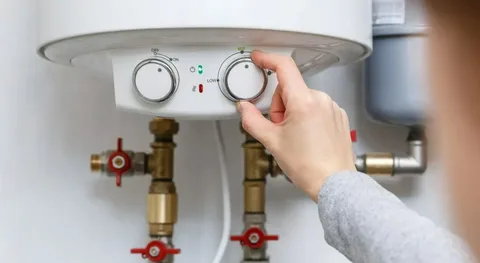
Most homeowners don’t think about their water heater until cold water comes out of the hot tap. Then they start looking for someone to replace it fast, and that’s exactly when mistakes happen. The first person available gets called, the job gets done in a hurry, and three months later something isn’t right.
Bad water heater installation doesn’t always announce itself right away. Sometimes it’s a gas connection that wasn’t pressure tested properly. Sometimes it’s a missing expansion tank that slowly damages the new unit from the inside. Sometimes it’s a venting issue on a gas unit that nobody catches until there’s a carbon monoxide concern. The problems from a rushed installation show up later, and they’re always more expensive to fix than doing it right the first time would have been.
Water heaters look simple from the outside. A tank, a couple of pipes, a gas line, or a few wires. Most people assume the swap is straightforward and that almost anyone can do it. That assumption is exactly why so many water heater jobs don’t hold up the way they should.
A plumber for water heater installation in Tacoma who does this work regularly deals with things mid-job that nobody thinks about before starting. The gas line needs to be pressure tested after the connection is made. The expansion tank situation needs to be evaluated for the specific plumbing system in that home. The venting on a gas unit has to be set up correctly so combustion gases leave the house instead of building up inside it. Permits need to be pulled because most areas require them for water heater replacements, and those permits trigger inspections that confirm the work was done correctly.
Skipping any of those steps saves time on the day of the job and creates problems that show up months later.
This is the question homeowners should ask before starting work. This is what a proper water heater install should cover:
Before anything is removed from your home, the right replacement needs to be identified. It means the right fuel type, the capacity of your household, and the right efficiency demand. If the unit is too small for your usage limit, it will keep running all day. An oversized unit short-cycles and wears out too fast. Ordering the right size water heater before the actual work starts is the beginning of the expert installation.
Gas water heater installation includes more than connecting a pipe. The gas line connection needs to be done with the right fitting, and the connection has to be leak tested after it is done. Electric water heater installation involves the right circuit, the right breaker size, and connections made correctly at the panel.
This is the step that is skipped most often. Water heater expansion tank installation is required in a closed plumbing system because water expands when it heats, and that expansion pressure has to go somewhere. Without an expansion tank. The pressure repeatedly cycles through the new unit and shortens its lifespan. A plumber who checks for this before finishing the job is doing the work in the right way.
Most areas require a permit for water heater replacement and final inspection before the work is completely done. Those inspections confirm the installation meets the code. Skipping permits means skipping the verification step, and an unpermitted water heater creates a problem later in a house sale, and insurance claims that nobody wants to deal with.
Not every water heater problem means the unit needs to come out. But some situations mean repair doesn’t make sense anymore, and a full replacement is the right answer.
Any combination of these means the unit is done, and a proper water heater installer should be called to assess the replacement options for that specific home.
This question comes up on almost every replacement call, and the answer depends on what the home already has.
You should go for a gas water heater installation if the home is already connected to a gas line and the existing infrastructure supports it.
Electric water heater installation is the right answer when gas is not available or when the homeowner prefers not to run a combustion appliance.
Choice should not be about which one is superior, but rather which one fits well into that particular home setting and that particular usage condition within the home.
Most homeowners call whoever shows up first in a search for water heater installation near me and go with the first person who answers. A few questions before the job starts make a significant difference in the outcome.
Ask whether the expansion tank situation will be evaluated. Ask whether the permits are included in the scope. Ask how the gas connection will be tested during a gas shutoff. Ask about the cleanup and disposal of the old unit before the job is done.
A water heater installer who answers all those questions confidently and without hesitation knows what a proper installation involves. One who skips past them or seems surprised or nervous is worth thinking twice about before agreeing on anything.
If the tank is too old, like more than 10 years, it's time for replacement. It's not too old, like 3 to 4 years, you can go with repairs.
Yes, and the inspection that comes with it confirms the job is done right.
If you skip this, pressure from heating water has nowhere to go and it slowly beats the new unit up from inside,
Yes its different from regular home unit installations, bigger units, heavier demand, and strict code requirements that don’t apply to residential work.
A water heater installation done right is something you stop thinking about for the next 10 to 15 years. Your water heater will be secure, and an expansion tank will be present, and the job will have been checked out before closing the job. All of these things are accomplished by making sure that you have used someone who knows how to properly install a water heater and does not skip any steps.
Whether the previous one just broke or you are looking ahead into the future, we are here to help. Call Your Local Plumbing today to get your home set up with proper hot water!
Your Local Plumbing is Tacoma’s best choice for residential and commercial plumbing solutions you can always count on.